Bridging the community - developer divide

Our purpose: making shared-space projects work

Many major projects now enter shared social space  communities where necessary change must also feel fair, legitimate, and responsive locally.

When this dimension is addressed too late, social risk emerges: mistrust, resistance, delay, and missed opportunities.

Our purpose is to make early, honest collaboration possible — so projects stand up technically, commercially, legally, and locally.
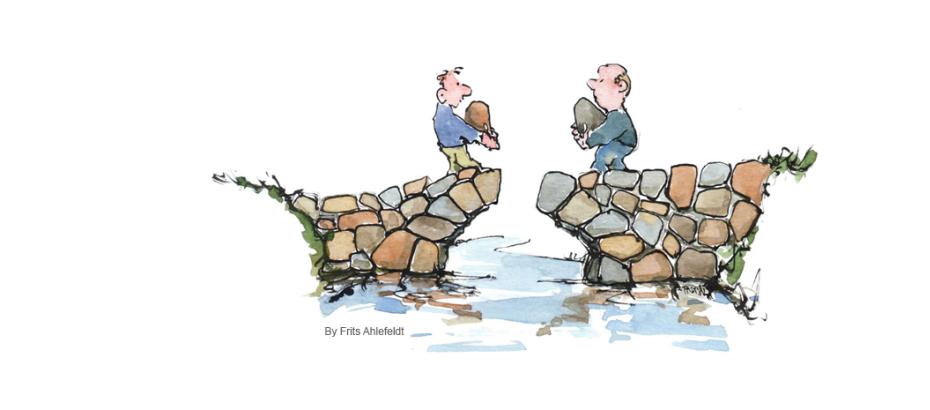
 

Our Purpose
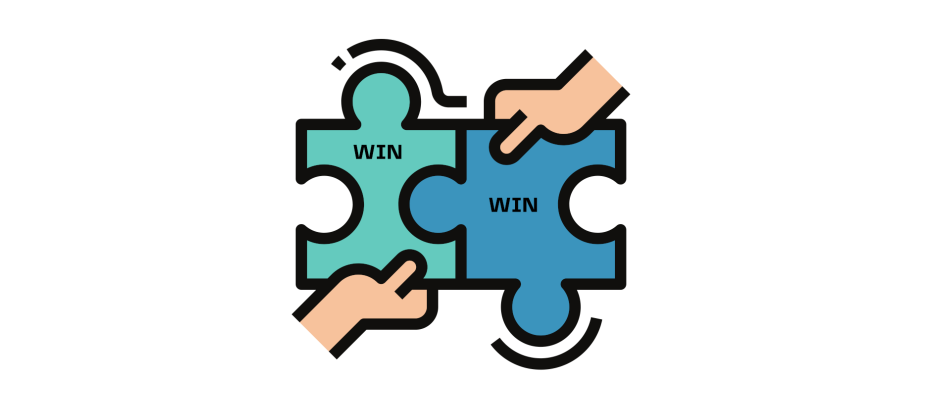
Win-Win

Win-win: why we do what we do

Every shared-space project either strengthens or erodes local sustainable development.
When we explore, early in the design, how a project can contribute to a host community’s long-term goals, we unlock real wins for everyone:

  • a project with a clear path to success

  • stronger, more resilient community

  • climate and infrastructure targets that get met.

What we bring to the table

We understand business

We are engineers, community developers, entrepreneurs, communicators, analysts, project developers and stakeholder engagers. We know the challenges first hand.

We understand technical and environmental design

We partook in the design and implementation of innovative natural resource projects internationally.

We address perceptions and opportunities

We understand that project risks are about perceptions as much as (or sometimes more than) about facts. We know that projects need to address perceptions, outrage and mutual opportunities, as well as risks, hazards challenges.

We understand community partnerships

We have facilitated many developer - community interactions. We know how to make partnerships that work for both developers and host communities.

We are facilitators and project-co-designers

We're industry leaders in engagement that delivers agreements that empower a sustainable future for both developers and host communities.
What we bring to the table

Connected initiatives

Alongside our project work, AstonECO contributes to and supports initiatives that strengthen how major projects are designed in shared space — in practice, through research, and through capability building.

International Energy Agency Wind Task 62

AstonECO contributes to the international collaboration IEA Wind Task 62, which advances the social science of wind energy planning and participation, with John acting as a Coordinating Agent.

Through this work we collaborate with researchers and practitioners internationally to strengthen evidence, shared learning, and better practice in participatory project development.

Read more about Task 62 here.

The Earning Local Support Academy (ELSA)

AstonECO created ELSA based on the realisation that resolving one project in difficulty at a time does not scale. And energy security, as one example, needs scale. Through ELSA, we have developed a practical framework to help Renewable Energy project leaders address social risk earlier and design projects that earn local legitimacy and support.

It provides training, tools and practical support to enable the transition from reactive conflict management to proactive project design. Read more about ELSA here.
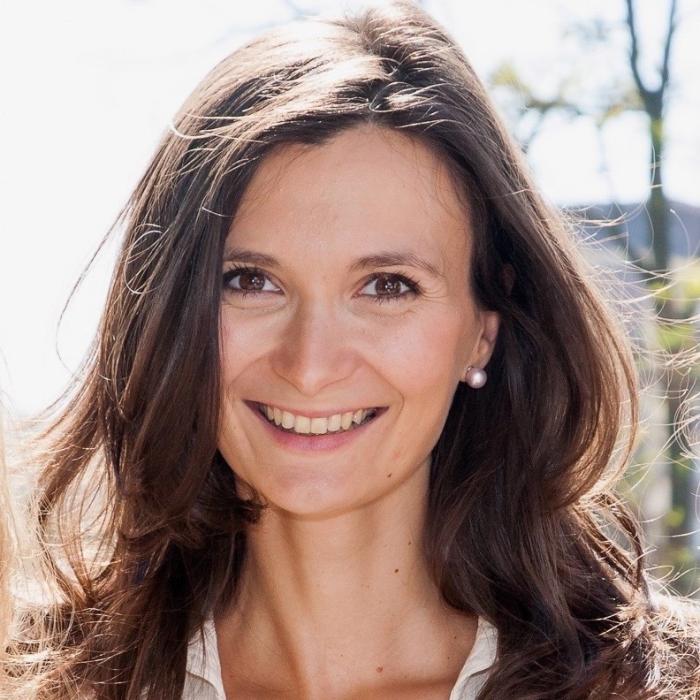
Meet the Directors

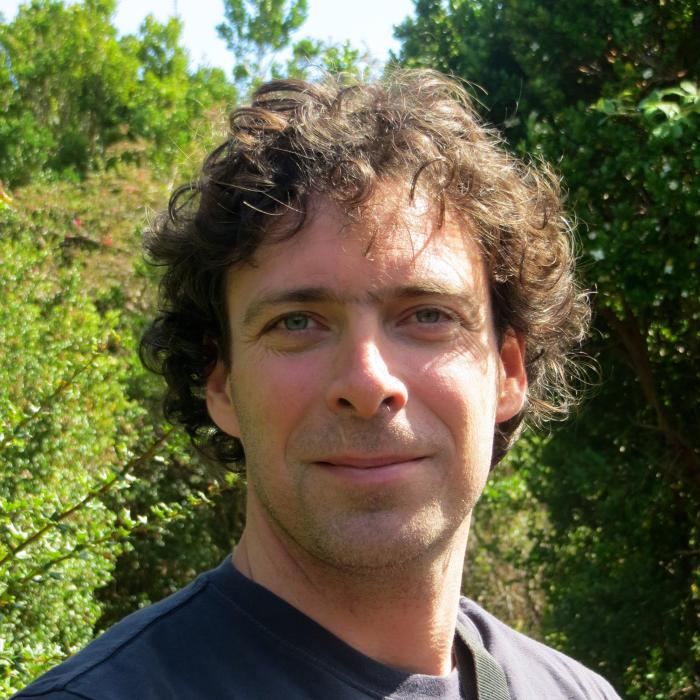
John Aston
John Aston
Managing Director

MSc Environmental Management, Chartered Engineer

John has over 35 years of international experience in natural resource project development, impact assessments, and change management. Since 2007, he has specialised in earning local support for impactful projects, adeptly integrating business, technology, permitting, and community development through co-assessment and co-design. Meet John on LinkedIn.

Andreea Savu-Aston
Andreea Savu
Engagement & Learning Director

MA Communication for multi-stakeholder partnerships

Andreea is a communications and organisational change specialist with 15 years of international experience across corporate, non-profit, and academic sectors. Specialising in bridging-communication between projects and host communities, she has worked extensively as a community engagement facilitator, project manager, copywriter, and university instructor. Meet Andreea on LinkedIn.

Our Mission

To make collaborative design the easier and expected way to develop shared-space projects – we support developers, communities, and authorities to partner early, build trust, and deliver projects that are technically sound, financially viable, legally robust, and locally supported.

Our Values

Inclusivity
We create conditions where people affected by a project feel safe, informed, and able to step in as partners – heard, respected, and able to genuinely shape decisions that affect them.

Clarity
We make realities, perspectives, objectives, risks, and opportunities visible to everyone, in plain language, so decisions are informed and shared by those they affect.

Creativity
We encourage fresh thinking and practical innovation to align project goals and community priorities in ways that strengthen both.

Can-do
We stay constructive, we listen, and we focus on solutions. We believe shared challenges can be solved – and we help people work together to solve them.

People
We enjoy working, learning, and building with people and their places. Relationships of trust sit at the core of everything we do.

Our Vision

A world where communities, developers, and authorities can more easily work together to co-create shared-space projects that strengthen local places and deliver a fair, sustainable future for all.


Why we do what we do

There are huge potential upsides from changing the way we think about project development. Obviously, projects have to be financially successful and technically feasible. Nowadays, people also put their foot down and say they have to be environmentally compatible. Also, given the increasing challenges facing communities, they benefit from partnering with local sustainable development potential so they can be embraced by all community members.

Smart Engagement does just that: takes the focus away from only the economic and technical aspects of a project to getting the stakeholders involved in their co-design from the beginning. It takes a little more time, so it may cost a little more to start with; but it saves a lot later, and has potential to add much more value – to all involved.

You get a sustainable project, because at the end of the day, your projects’ neighbours are the people who know what they can and want to live with.